
Lower heating and cooling costs
Insulating the wall cavity reduces the amount of heat escaping in winter and entering in summer, so your heating and cooling systems work less to maintain a comfortable temperature.
Parkville Wall Insulation
Cavity wall insulation for brick veneer homes in Parkville reduces winter heat loss and summer heat gain through external walls. Expert Insulation Melbourne installs it with minimal disruption to your home.
Share your details and Expert Insulation Melbourne will contact you about Cavity Wall Insulation in Parkville.
Cavity wall insulation fills the gap between the inner and outer leaves of brick veneer walls with insulating material. In Parkville, this is done by drilling small holes in the mortar joints, injecting the insulation and then patching the holes. It is a cost-effective way to improve thermal performance in older brick veneer homes common in the area.
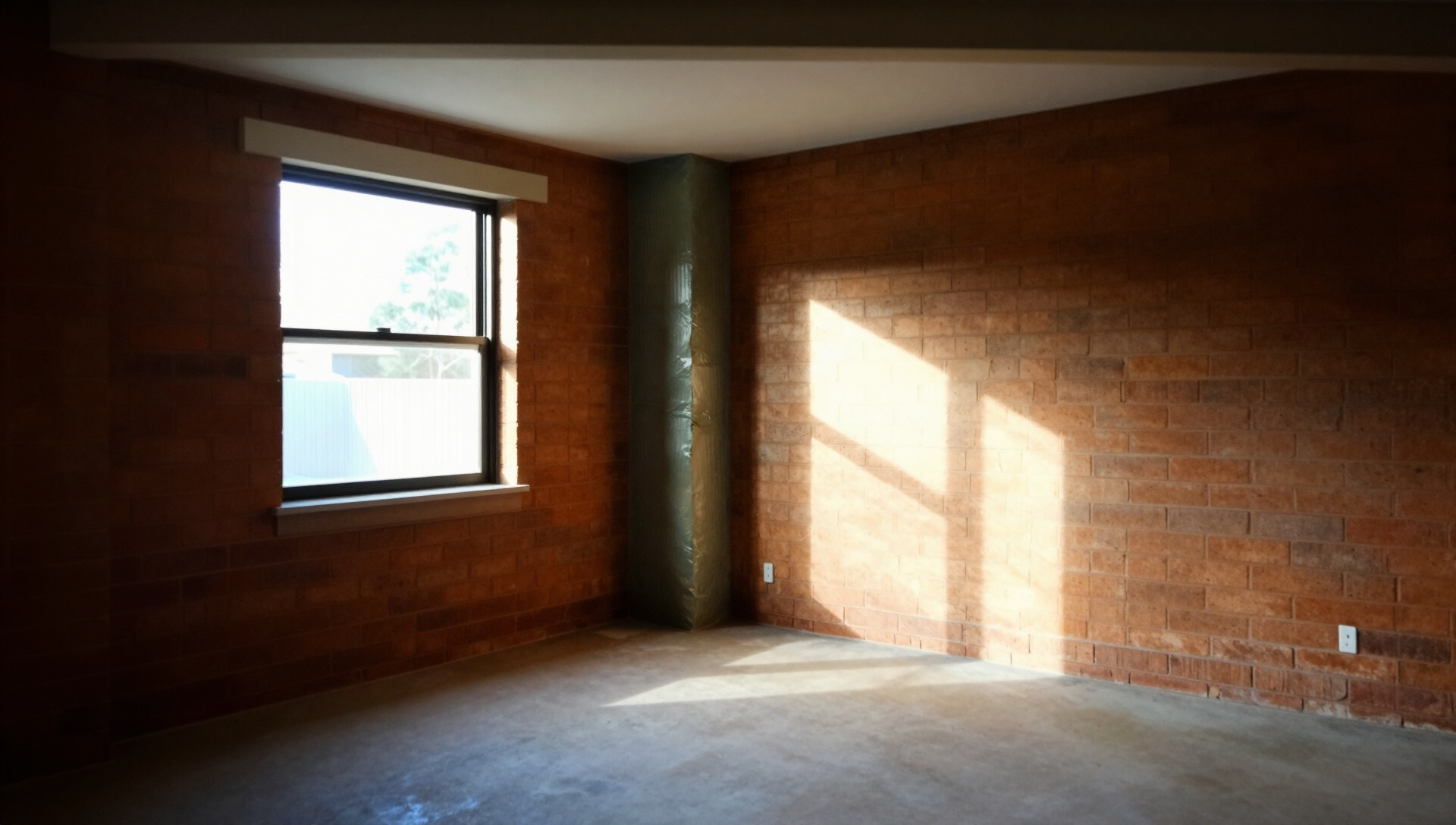
Parkville’s mix of older brick veneer homes and cold winters means many properties lose heat through uninsulated wall cavities. Cavity wall insulation addresses this by adding a thermal barrier that slows heat transfer, keeping homes warmer in winter and cooler in summer.
Insulating the wall cavity reduces the amount of heat escaping in winter and entering in summer, so your heating and cooling systems work less to maintain a comfortable temperature.
Uninsulated cavities allow air movement that creates draughts and cold patches near external walls. Cavity insulation blocks this airflow, making rooms more consistently comfortable.
Brick veneer walls without insulation have little resistance to heat flow. Adding cavity insulation increases the R-value of the wall system, stabilising indoor temperatures.
The drill-and-fill process is carried out from the outside, so there is no need to remove internal linings or furniture. Holes are small and patched to match the existing mortar.
Unlike wall batts, cavity insulation does not require opening up the wall. It is injected into the existing cavity, making it ideal for retrofitting in established Parkville homes.
Properly installed cavity insulation can reduce the risk of condensation forming inside the wall by maintaining a more even temperature across the wall structure.
The cavity wall insulation process is straightforward and typically takes a day for an average Parkville home. Access to the exterior walls is required, and the work is weather-dependent to ensure the best results.
First, we check that your brick veneer walls have a suitable cavity and that there are no issues like moisture or structural problems that would prevent installation. Not all wall types are compatible.
Small holes are drilled into the mortar joints at regular intervals around the exterior of the house. These provide entry points for the insulation material.
Insulation material, usually a loose-fill or foam product designed for cavities, is injected into the wall through the holes. The material fills the cavity evenly without compressing.
Once the cavity is filled, the holes are patched with matching mortar to restore the appearance of the brickwork. The finish is colour-matched to blend in with your existing walls.
Parkville has a high proportion of brick veneer homes built from the mid-20th century onwards, many of which have uninsulated wall cavities. These homes often sit near the CBD and are exposed to Melbourne’s cold winters and hot summers, making cavity wall insulation a practical upgrade. The process is non-invasive and preserves the character of your brick exterior while improving energy efficiency.
Improve the thermal performance of your Parkville brick veneer home with cavity wall insulation installed by Expert Insulation Melbourne.
Homeowners in Parkville often ask about the suitability, process and benefits of cavity wall insulation for their brick veneer properties. Here are the most common questions.
Cavity wall insulation in Parkville targets the gap between the inner and outer layers of brick veneer walls, a common construction in many of the suburb’s homes. Without insulation, these cavities allow heat to escape in winter and enter in summer, increasing reliance on heating and cooling. Filling the cavity with insulating material slows this heat transfer, improving thermal comfort and reducing energy use.
The drill-and-fill method used in Parkville involves small, strategically placed holes in the mortar joints. Insulation is injected into the cavity, then the holes are patched to match the existing brickwork. This approach is ideal for retrofitting older homes where internal wall access is impractical. The process typically takes a day and causes minimal disruption to the household.
Not all walls are suitable for cavity insulation. A pre-installation inspection checks for adequate cavity space, wall condition and moisture issues. In Parkville, most brick veneer homes built from the 1950s onwards are good candidates. If old insulation is present and may contain asbestos, work stops until a qualified assessor inspects it.
Reduce heat loss through your brick veneer walls with cavity wall insulation. Expert Insulation Melbourne serves Parkville and can assess your home’s suitability.